Wine has been drunk here for 2200 years.
Bosnia and Herzegovina inherits the culture of wine growing and producing from the Illyrian period,and the Thracians were the first ones to bring the grapevine seedlings to the Balkans. When talking about the history of wine growing in BiH, it’s important to mention that its borders occupied a much broader area than today. Namely, the Medieval Bosnia was once, without the later adjoined southern part (Hum), a distinguished wine-growing and producing country. In the Middle Ages, almost every aristocratic family had their own vineyards. This is clearly evident in the first detailed cadastral records dating from the 15th and 16th century. With the arrival of the Turks, and the islamization process of Bosnia, this type of production gradually extinguished, and finally perished.There are many reasons for the disappearance of the grapevine in Bosnia, the biggest one being the result of war as grapevine culture requires a high degree of human engagement.
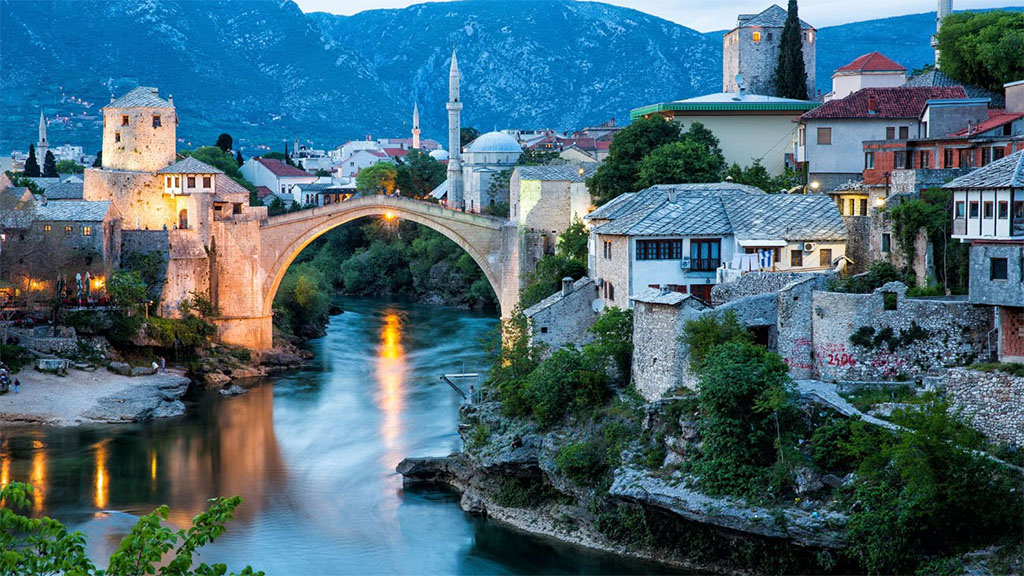
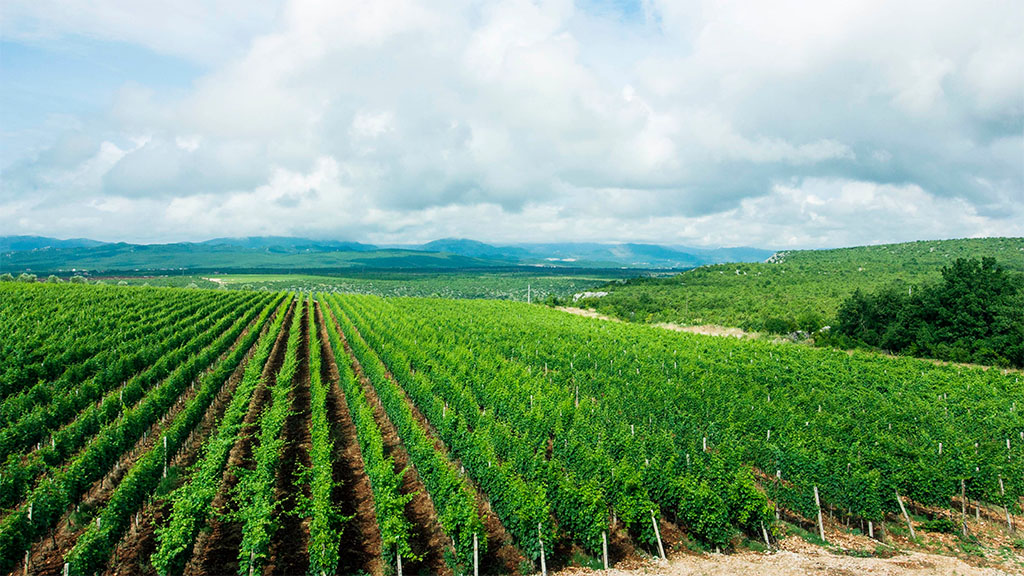
At the present, the production of wine here is limited to the confluences of the rivers Neretva and Trebišnjica, corresponding to the Herzegovina wine-growing region with Mostar, Lištica, and Jablanica vineyards. Towards the end of the 19th century, with the first wine exports to the Western Europe, wine business becomes a significant source of income in Herzegovina, and this trend continues with market conquering all over the world.Wine business in Herzegovina has had its ups and downs, but it has never stopped being the main agricultural branch, and one could say,lifestyle of the local people.
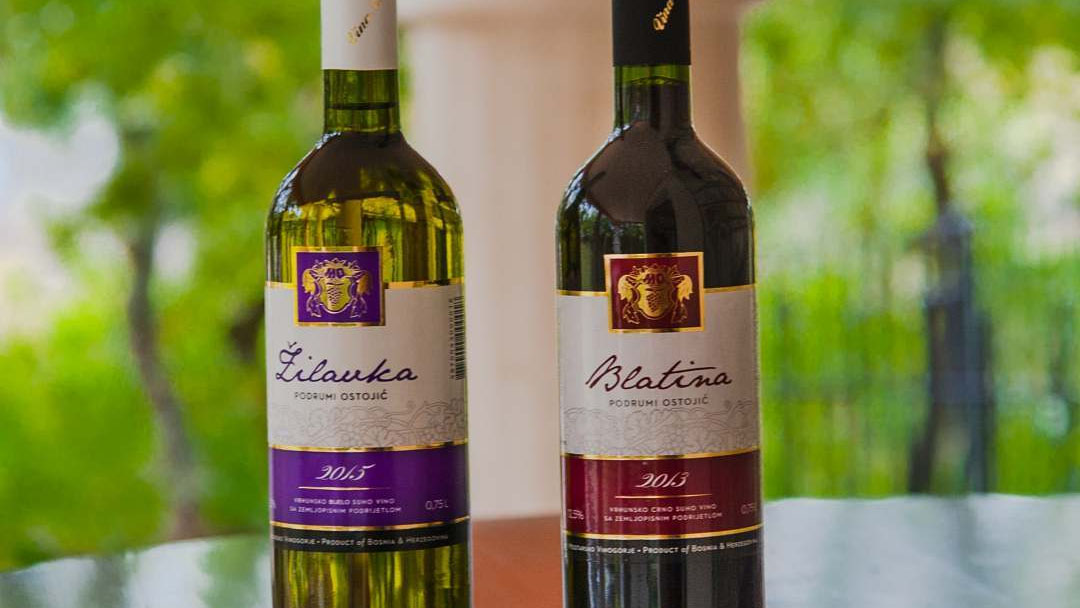
The Herzegovina winemakers want to be recognized for their Žilavka and Blatina as unique varieties in the world of wine, and to present themselves to the world through the wine that bears savour of the soil and the fervency of the Herzegovina sun.
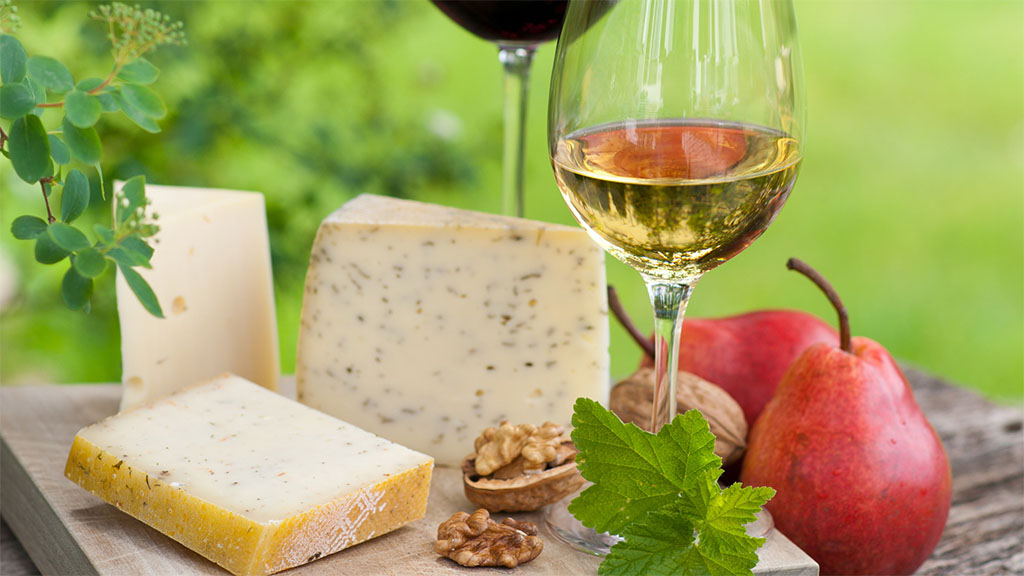
It is very difficult to give an exact answer about the origin of the name Žilavka, but it can be logically assumed that its name symbolizes fine veins, visible in the period of the full maturity of grapes in the berry, through its thick but transparent skin. Its attribute, „hercegovačka“ seems to want to express its unique grandeur, delicacy, boon, and abundance, as if to redeem the concern and effort of the wine growers. It also symbolizes the region of Herzegovina, where it grew, formed its characteristics, assimilated and identified with the sunny and karst ambience of Herzegovina. The variety of Žilavka gives quality wines, while high quality wines are gained from the chosen locations (vineyards), very often with the addition of 15% of Krkošija and Bena, which are also autochthonous varieties of the region of Herzegovina. Everybody experiences the Žilavka wine in a personal and individual way. It attracts the admirers of a “good drop” with its singularity and peculiar qualities, particular fragrance, roundness, and strength typical of southern wines. It bears the impression of Herzegovina. The beautiful crystal clear yellowgreen hue, specific aroma, harmonious proportion of alcohol and acidity, and a rich extract, distinguish Žilavka from all other wines. It’s a strong wine with 12 to 14 % of alcohol, 5 to 6 g/l of total acidity, with a total extract of 20 to 27 g/l. It gains its genuine plenitude and features the longer it is aging in the bottle. The inhabitants of Herzegovina drink Ž ilavka with boiled or grilled lamb, eel and other fresh-water and sea fish, as well as with cheese from bellows, and ham. It is best served refrigerated at 10 to 12 ºC.
Blatina is an autochthonous variety of Herzegovina. It has a functional female flower (autosterile), and for that reason it is always cultivated in plantations with other varieties such as Allicante bouschet (Kambuša), Merlot, and Trnjak, which at the same time pollinate Blatina. During the period of insemination, because of the rain, it can fail in giving fruits, and it is then called “praznobačva“ (emptybarrel).
Blatina is a quality and in specific locations a high quality dry red wine, produced with the variety of grapes that has the same name, with 15% addition of pollinating varieties. it’s a strong and fresh dry red wine with 12 to13.5 % of alcohol, 5 to7 g/l of total acidity, 25-32 g/l of extract. It has a dark ruby red colour, particular and characteristic aroma, as well as a full and harmonious taste.
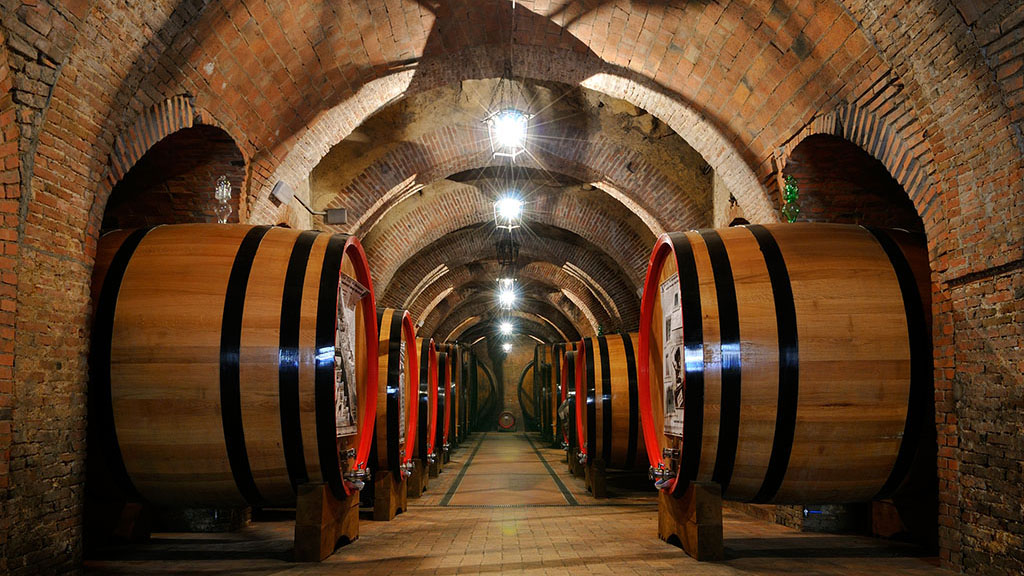
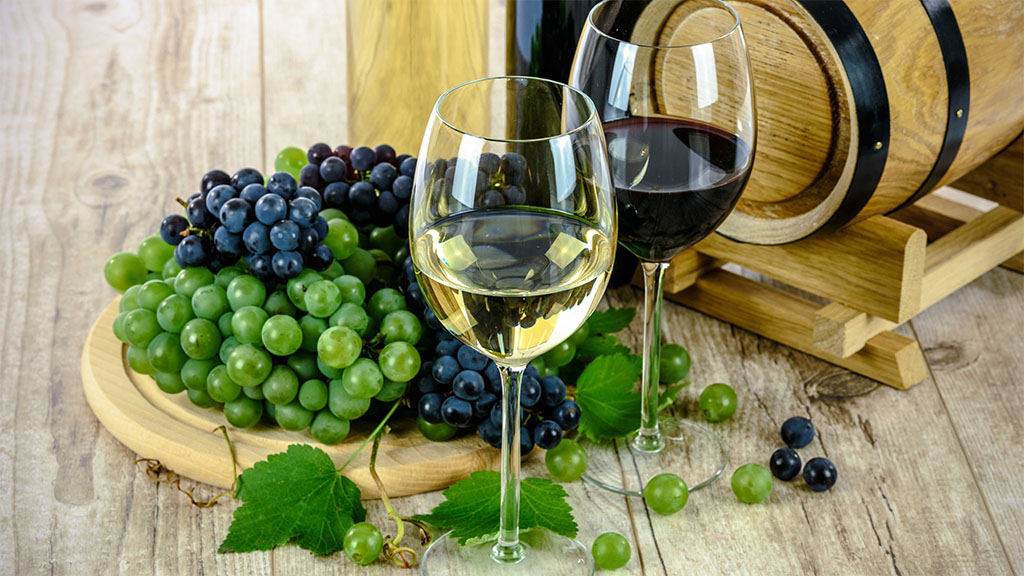
As a southern wine it has a satisfying concentration of acid. It is good to let it age forseveral years in wooden barrels, even more, the quality is the highest, they say, with up to 5 years of aging. It is recommended to drink Blatina with strong meals, meat from game, especially roastmeat, fish stew, and beef ham. It is drunk slowly, clear on 18 to 20 ºC, from nicely shaped glasses, and in a rural ambience from the wooden jug. Beware of its strength! It h as the sun condensed in it, along with all of the Herzegovina summer heat collected in it.