Josip Broz (7 May 1892 – 4 May 1980), commonly known as Tito, was a Yugoslav communist revolutionary and political leader, serving in various roles from 1943 until his death in 1980. During World War II, he was the leader of the Partisans, often regarded as the most effective resistance movement in occupied Europe. While his presidency has been criticized as authoritarian and concerns about the repression of political opponents have been raised, some historians consider him a benevolent dictator. He was a popular public figure both in Yugoslavia and abroad. Viewed as a unifying symbol, his internal policies maintained the peaceful coexistence of the nations of the Yugoslav federation. He gained further international attention as the chief leader of the Non-Aligned Movement, working with Jawaharlal Nehru of India, Gamal Abdel Nasser of Egypt and Sukarno of Indonesia.
He was General Secretary (later Chairman of the Presidium) of the League of Communists of Yugoslavia (1939–1980) and went on to lead the World War II Yugoslav guerrilla movement, the Partisans (1941–1945). After the war, he was the Prime Minister (1944–1963), President (later President for Life) (1953–1980) of the Socialist Federal Republic of Yugoslavia (SFRY). From 1943 to his death in 1980, he held the rank of Marshal of Yugoslavia, serving as the supreme commander of the Yugoslav military, the Yugoslav People’s Army (JNA). With a highly favourable reputation abroad in both Cold War blocs, he received some 98 foreign decorations, including the Legion of Honour and the Order of the Bath.
– Arrival to Sarajevo International Airport, accommodation in the hotel
– Lunch
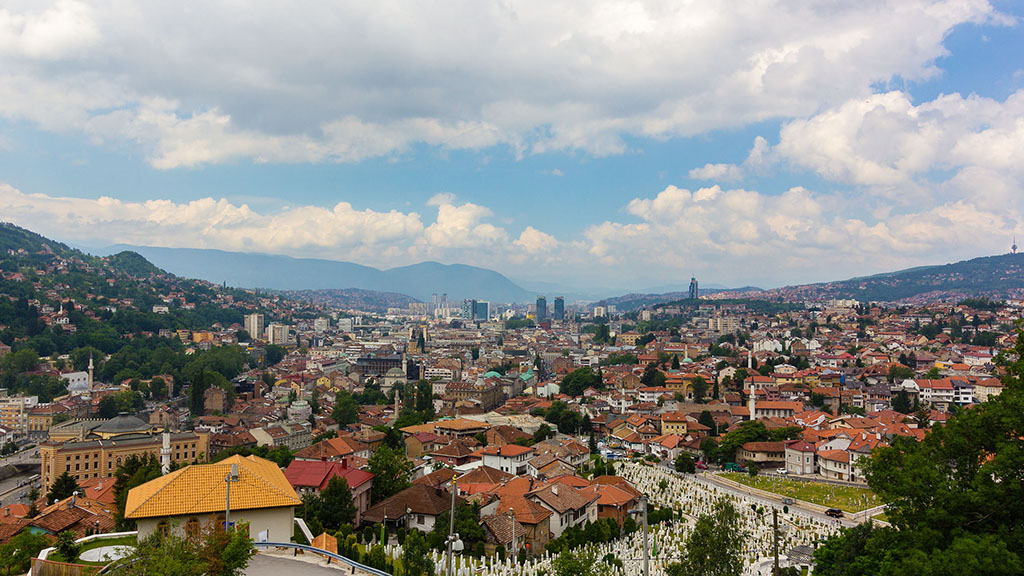
– Panoramic sightseeing of Sarajevo (the Old Town Hall, the street of old crafts, the old Orthodox Church, Gazi Husrev-begova
mosque, Catholic cathedral, visit to the National Museum in which the famous Sarajevo Haggaddah is kept)
– Walking in the old town, a coffee break – a shopping trip
– Overnight at the hotel
– Breakfast at the hotel
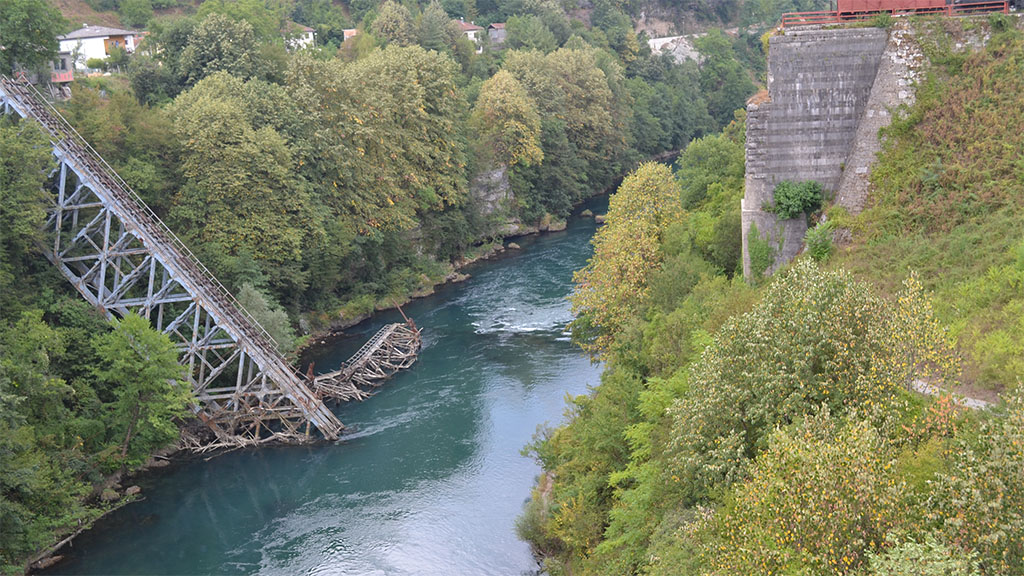
– Going to Jablanica and then to Jajce through the Makljen and Bugojno mountains. Famous battle, known as the Battle of Neretva or the Battle for the Wounded, took place in jablanica in 1943. Today, there are still remains of the bridge destroyed by Tito’s Partisans to confuse the enemy and win the battle.
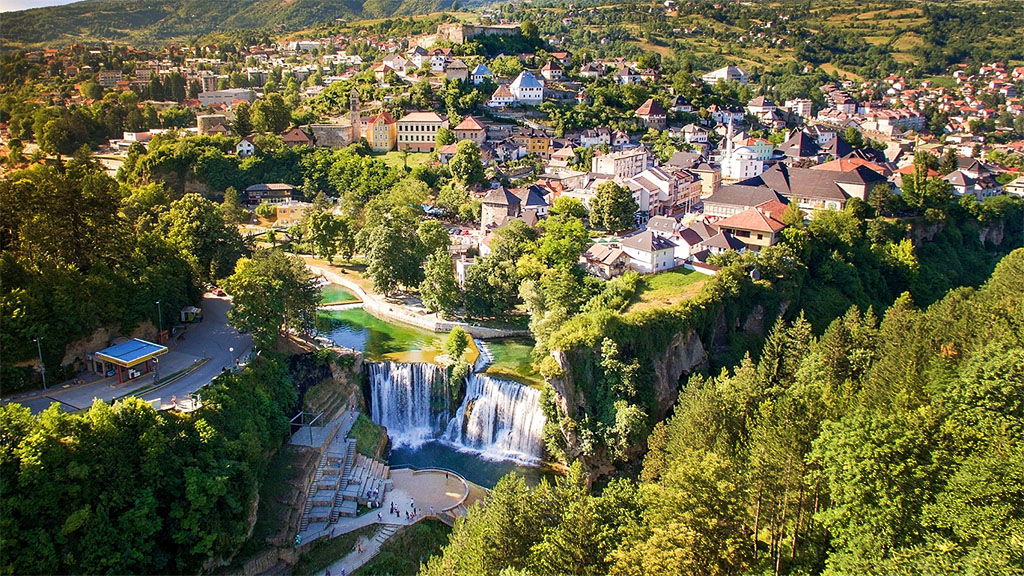
– Jajce. During the Second World War, Jajce was host to one of the most important events in the history of the Yugoslav People – the Second Session of the Anti-fascist Council of the People’s Revolution of Yugoslavia. It was then established the federal organization of the country, by which every nation and the national minority will have the same rights. On that assemble Tito was proclaimed marshal.
– Dinner and overnight at the hotel.
– Breakfast at the hotel
– Departure to Drvar, a city where the German forces took out an unsuccessful air force attack with the aim of capturing Tito and
breaks the resistance of the National Liberation Army
– Visit to the recently renovated cave in which Tito was staying and commanding the liberation army
– Going to Kozara
– Arrival to Kozara, dinner and overnight stay
– Breakfast at the hotel
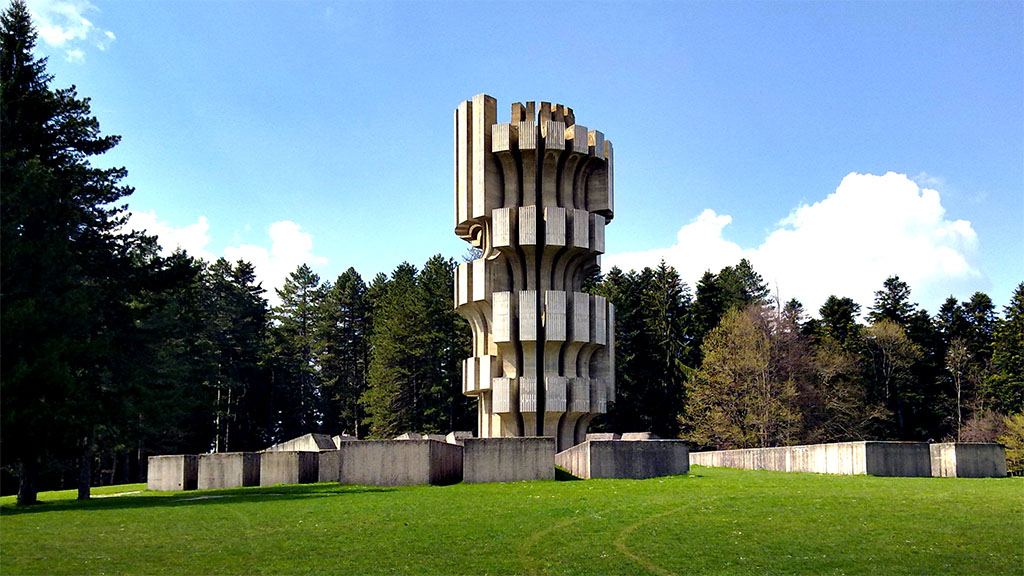
– Trip to National Park Kozar and visit to the great monument projected by famous sculptor Dusan Dzamonja. The monument is dedicated to the victims of one of the strongest German offensive against Partizan, which was held in 1942. Tito declared Kozara National Park in 1967. Visit with a guide to the Memorial Museum.
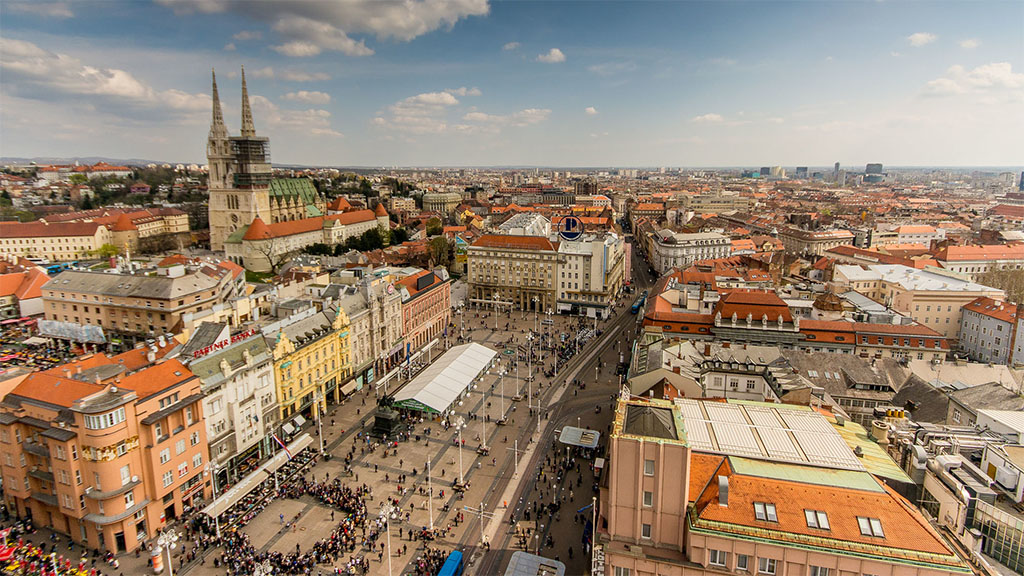
– Departure for Croatia and Zagreb, the capital of the country
– Dinner and overnight stay in Zagreb
– Breakfast at the hotel
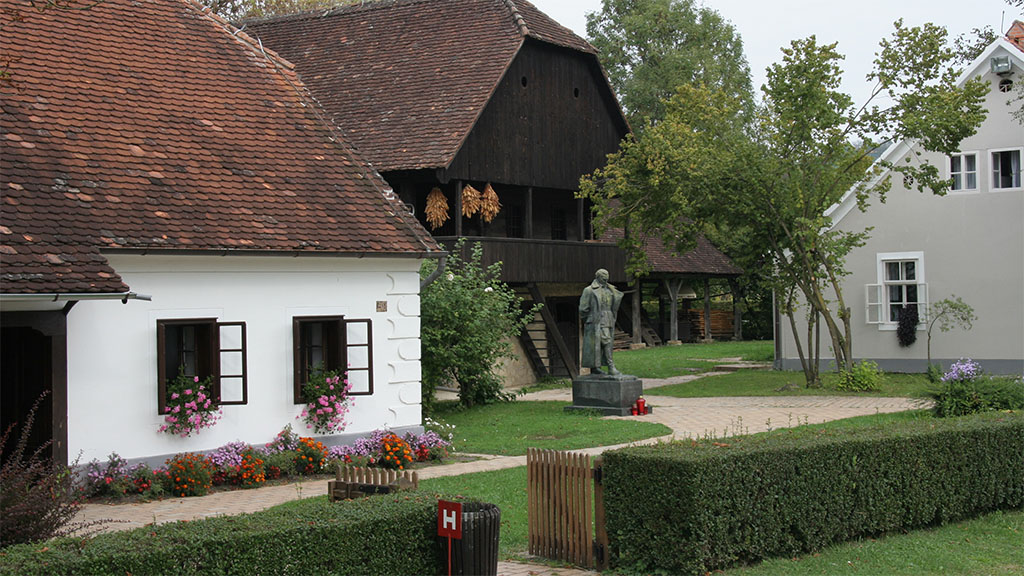
– Visit to village Kumrovec, Tito’s hometown, and the Old Village Museum, ethnographic museum, with the house where Tito was born. In 1953, the Marshal Tito Memorial Park was established, later called Kumrovec Memorial Park.
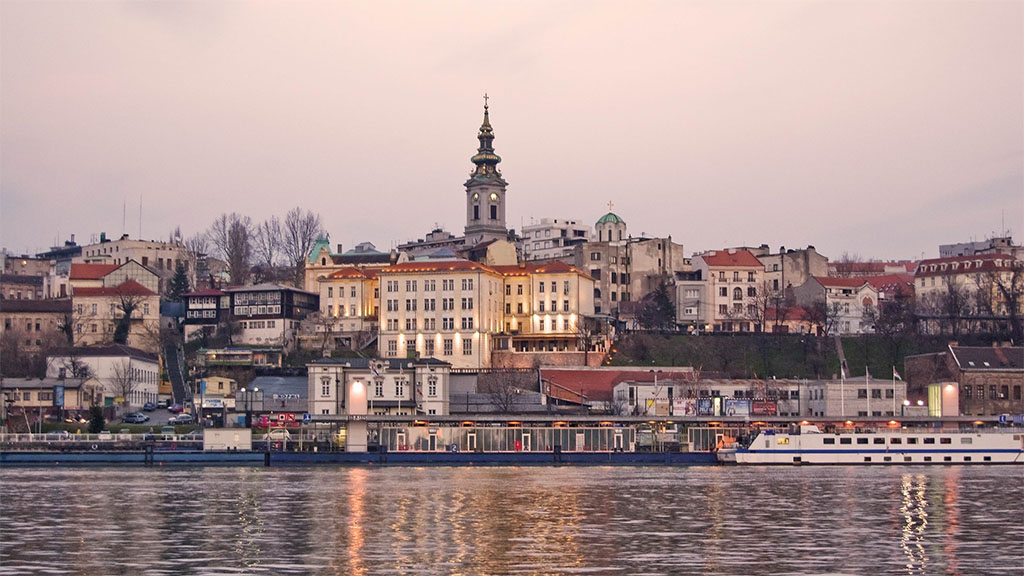
– Departure to Serbia and Belgrade, the capital of the country
– Dinner and overnight stay in Belgrade
– Breakfast at the hotel
– Sightseeing of Belgrade with special emphasis on the places where President Tito lived and worked until his death in 1980. Visit to Tito’s grave at Dedinje, also known as the House of Flowers
– Trip to Uzice. In the early autumn of 1941, Uzice was the center of a large free territory in Serbia, known as the Uzice Republic
– Lunch
– Visit to the monument at Kadinjaca
– Dinner and overnight stay
– Breakfast at the hotel
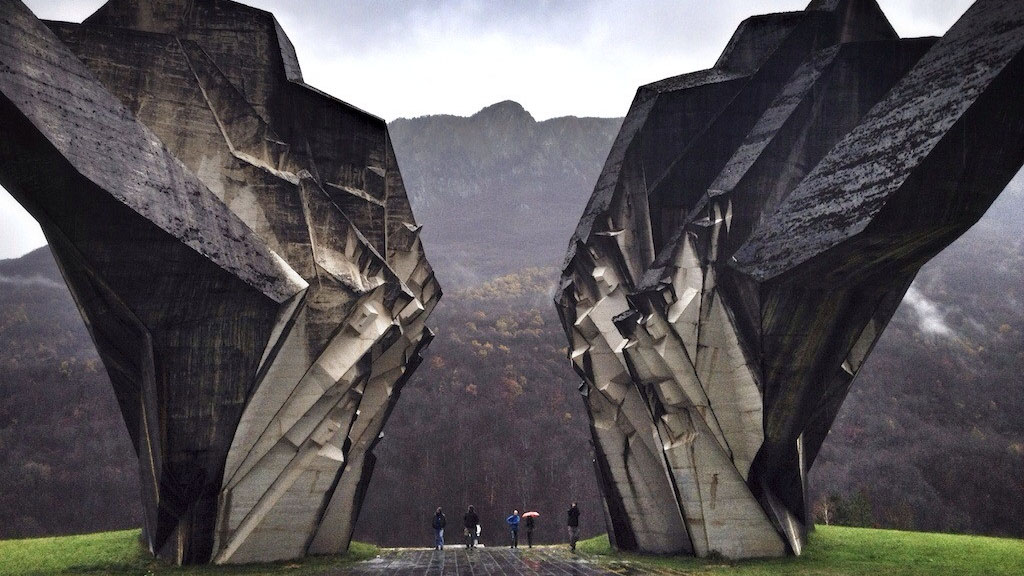
– A trip to the Tjentiste and a tour of the National Park Sutjeska
– Lunch at Tjentiste
– Departure to Foca, where the Main Staff of the National Liberation Army was in the first half of 1942 and where the Foca regulations were adopted
– Dinner and overnight stay
– Breakfast at the hotel
– Departure to Sarajevo
– Lunch in Gorazde on the beautiful river Drina
– Arrival in Sarajevo
– Dinner and free evening
– Breakfast at the hotel
– Departing at the airport